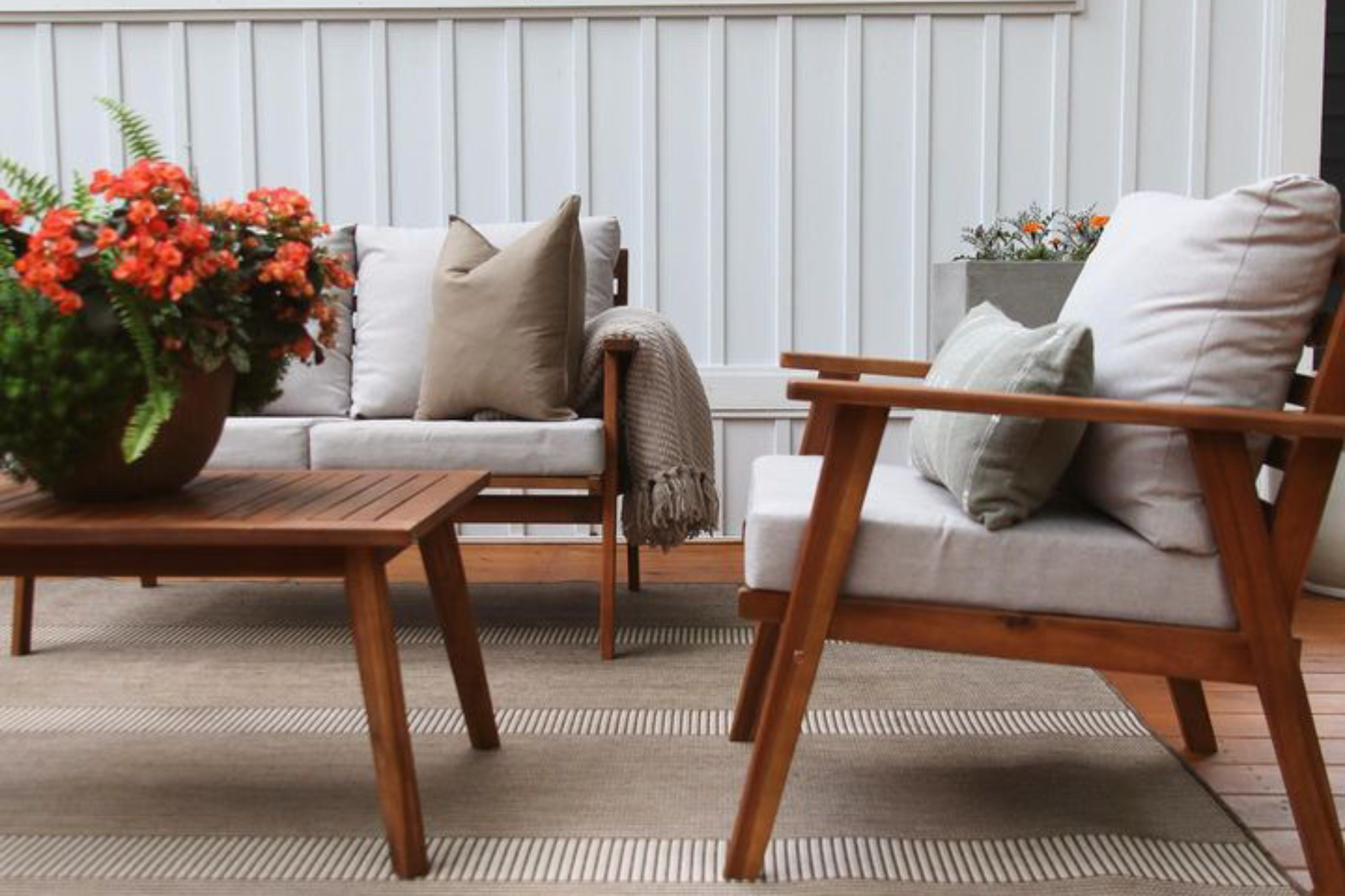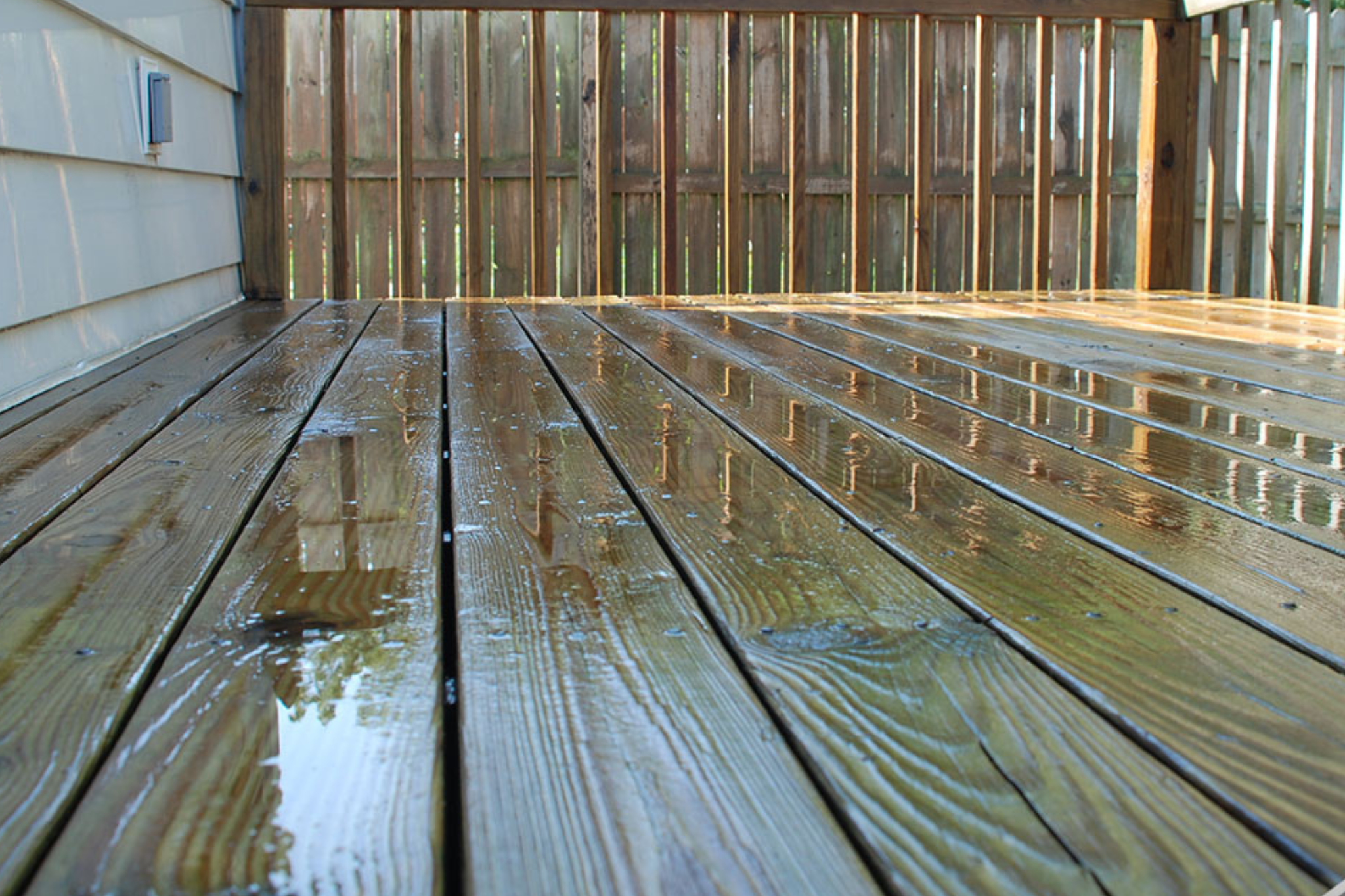
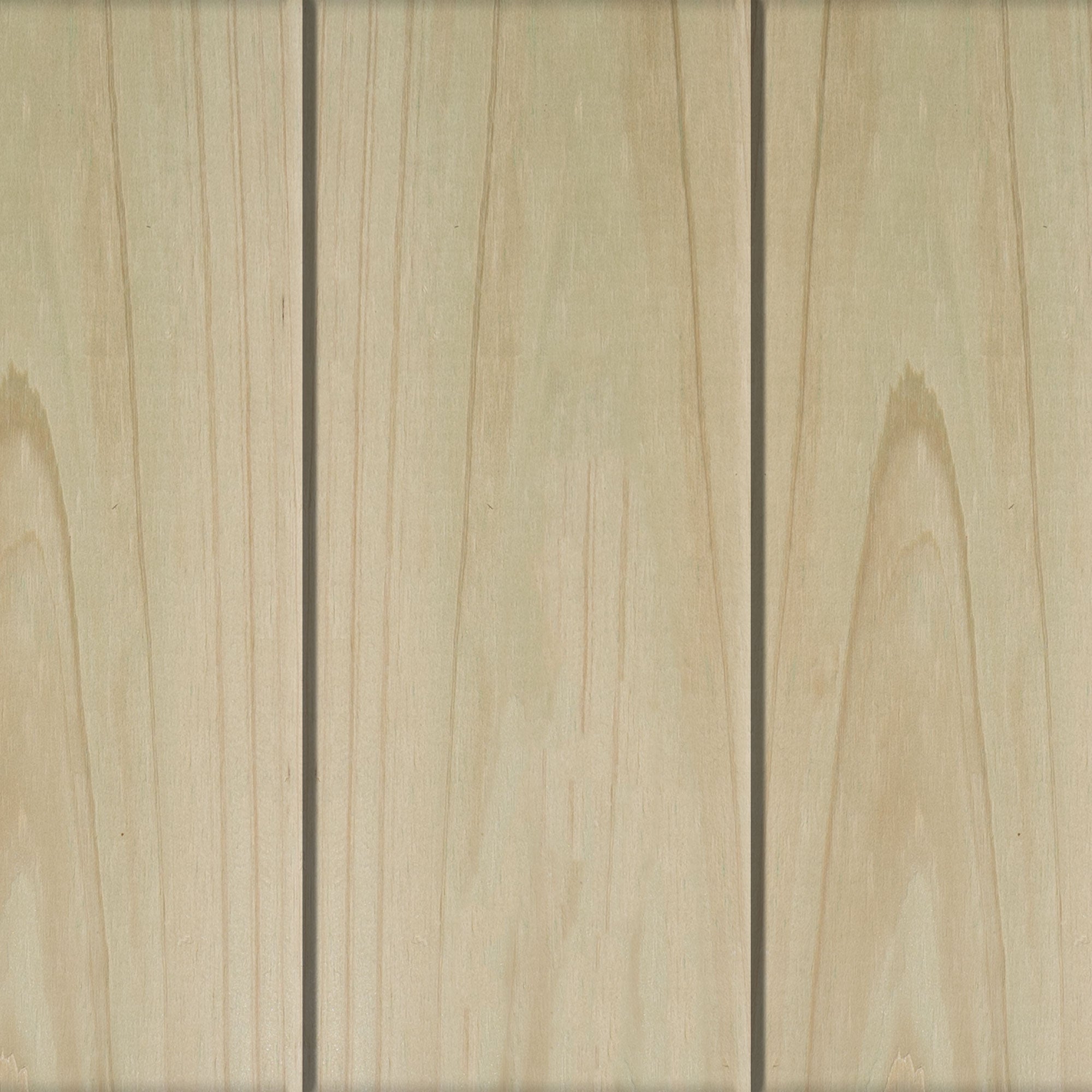
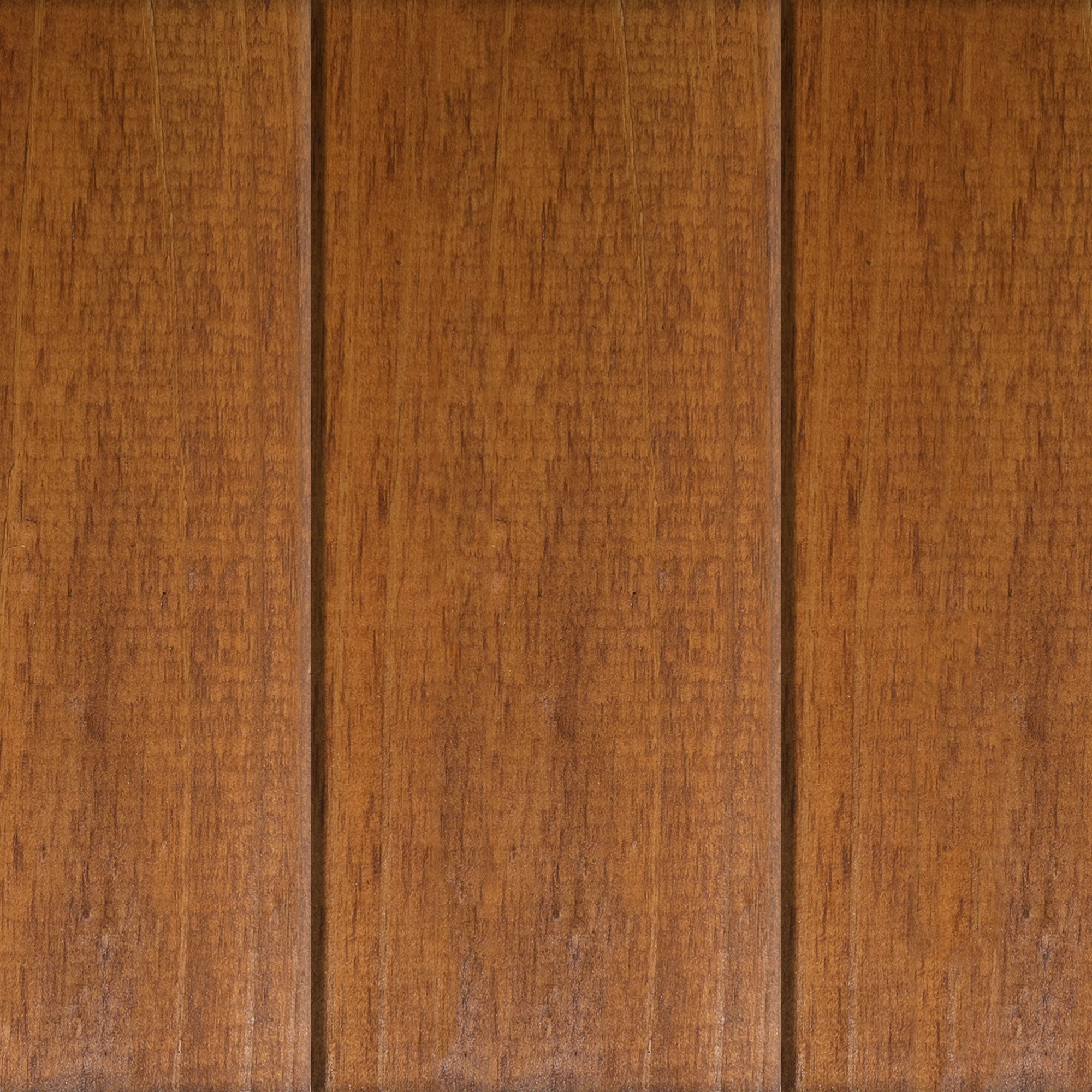
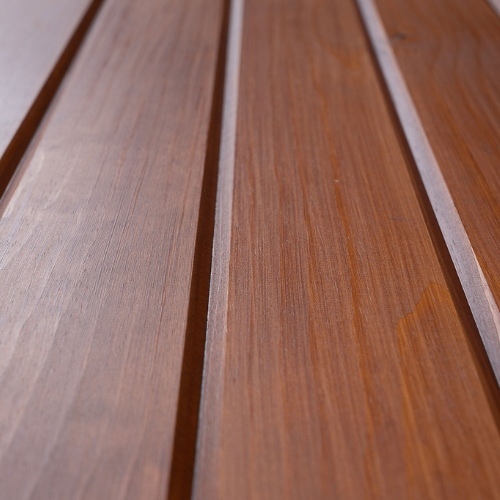

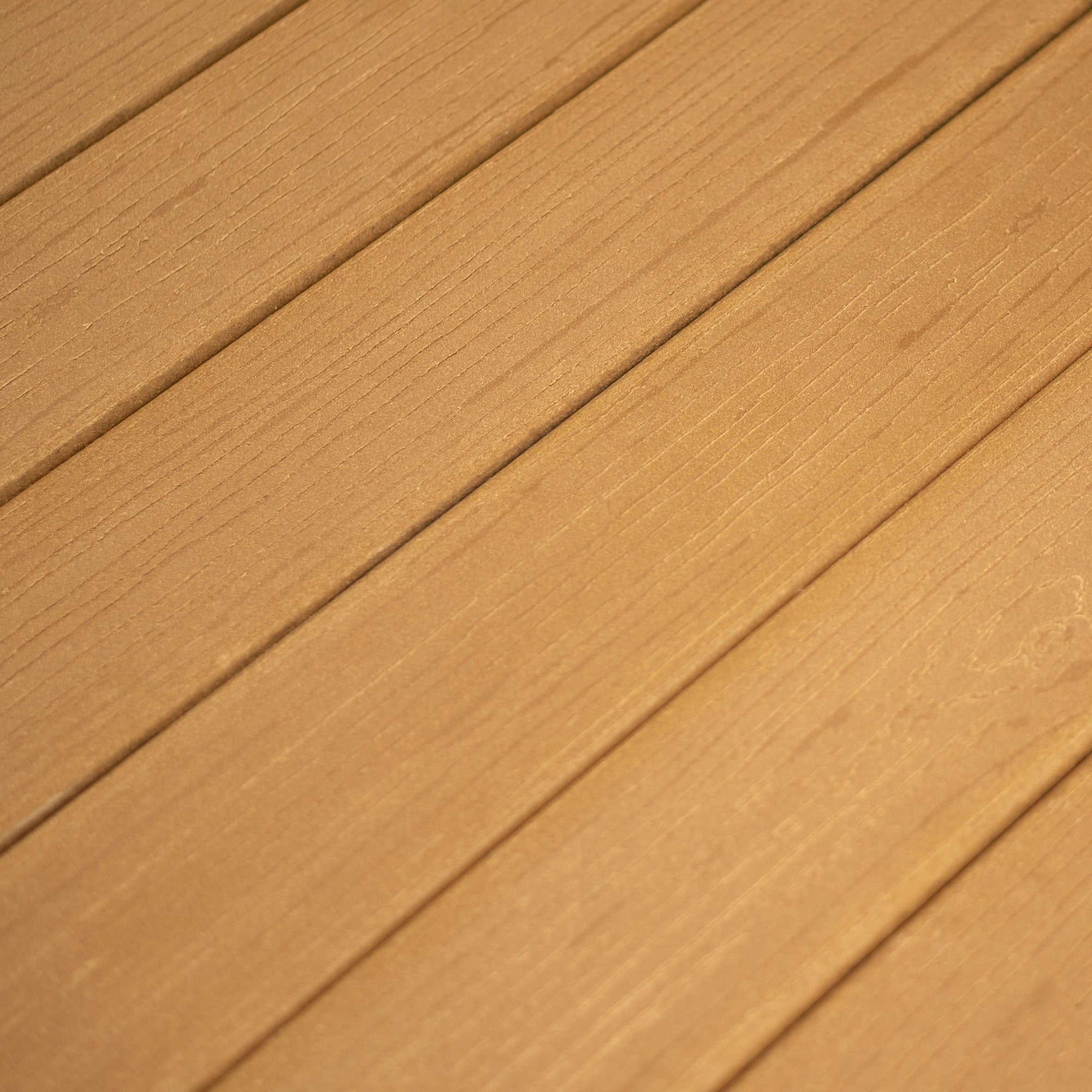

Picking a stain color for your deck or outdoor project feels like a big decision. You’re not just choosing a color. You’re deciding how your space will look every time you step outside. Go too dark and the space feels heavy. Go too light and the stain may wash out in the sun.
The good news is that stain colors fall into predictable categories, and once you understand how each one looks on real wood, and how it holds up outside, the decision becomes much easier r. This guide walks through everything you need to know about the different shades of wood stain so you can move forward with confidence.
Understanding Wood Stain Finish Types and Shade Categories
Before you pick a specific stain color, it helps to understand the three main finish types. Each one interacts with wood differently and produces a very different result.

Transparent Stains
Transparent stains add little to no color on their own. They let the natural beauty of the wood grain come through completely. This option works best on newer bare wood or raw wood that's in good condition with a smooth surface. Because transparent stains contain minimal pigment, they offer less UV protection than pigmented options and may need reapplication sooner. A water-based wood stain in a transparent formula is a good starting point if you want to preserve a just-sanded look.
Semi-Transparent Stains
Semi-transparent stains add color while still letting the wood grain show through. This is the most popular category for decks. They deliver a warm, natural stained wood look while providing more UV protection than clear stains. Semi-transparent options come in a wide range of wood stain colors, from light honey tones to darker colors like dark walnut stain and grey wood stain. If you're unsure where to start, a mid-tone semi-transparent stain is usually the safest choice.
Solid Stains
Solid stains work closer to paint colors in terms of coverage. They hide the wood grain completely and create a uniform color across the surface. This is the right choice for older decks with significant weathering, discoloration, or damage from a previous owner. Solid stains also make it easier to achieve a custom color that matches your home's exterior trim or siding.
Oil-Based vs. Water-Based Stains
Water-based wood stain has become the go-to choice for most outdoor deck projects. It dries faster, cleans up with soap and water, and has closed the durability gap with oil-based options significantly over the past decade. Oil-based stain penetrates deep into the wood surface and can deliver rich initial color, but it takes longer to cure and requires solvent-based cleanup. For homeowners looking for a high-performing, low-hassle option for their exterior wood surfaces, water-based stain is the practical and proven choice.
How Wood Type and Surface Condition Affect Stain Color
The wood itself plays a major role in how a stain color looks once it dries. Two decks stained with the same product can look completely different depending on the wood species and surface condition.
Wood Species Matter
Different wood species absorb stain at different rates. Dense hardwoods like ipe or teak absorb less stain, which can lead to uneven color without proper surface prep. Softer woods like pine and cedar absorb stain more readily and tend to show wood stain colors more deeply. Darker colors look richer on open-grained woods because the stain soaks into the wood fibers more evenly. Knowing your wood species before you shop for stain options helps you choose a shade that will actually perform as expected.
New vs. Weathered Wood
New bare wood accepts stain differently than older, weathered wood. Fresh raw wood may need a light sanding before the first coat to open the wood surface and improve absorption. Weathered or previously stained wood often needs a dedicated wood cleaner and brightener before staining. These products remove grey surface discoloration and help the new stain bond properly. Skipping this step often leads to uneven stain color, especially with semi-transparent finishes.
Test Before You Commit
Always test your stain on a small area before applying it to the full deck. Use the same applicator you plan to use for the full project, whether that's a foam brush, a deck brush, or a deck push brush. Let the test patch dry completely before judging the color. The wet stain color and the dried color can look noticeably different, and it's much easier to change direction before you've covered the entire surface.
Matching Stain Shades to Your Home and Outdoor Space
Once you've settled on a finish type, it's time to match the stain color to your specific home and outdoor space.
Look at Your Home's Exterior Colors
Start with your siding, trim, and roof. Warm-toned homes with brick or tan siding pair well with honey, cedar, and brown-based wood stain colors. Cooler-toned homes with grey or white siding often look better with grey stain or driftwood-style shades. The goal is for the deck to look like it belongs with the rest of the house. A quick way to check this is to hold a stain sample card next to your siding in natural light.
Factor In Sun Exposure
A deck that gets full sun all day will show stain colors differently than a shaded deck. Direct sunlight makes darker colors appear more intense and can fade lighter shades faster on unprotected exterior wood surfaces. If your deck is in full sun, a mid-range semi-transparent stain in a warm brown or cedar tone tends to hold up best visually over time. Decks with heavy shade can handle lighter shades without as much fading concern.

Lighter vs. Darker Shades
Lighter stain shades make a space feel open and casual. They work well for coastal or cottage-style homes and for decks surrounded by natural landscape. Darker colors add a more polished, finished look and can make a large deck feel more grounded and intentional. Grey stain and dark walnut stain are two of the most widely chosen shades for both modern and traditional homes. Neither is better than the other. The right choice comes down to your personal style and how the shade reads against your home's specific colors.
Application Tips That Affect Your Final Color
The shade you see in the can and on the sample card can look different on your finished deck if the stain isn't applied correctly. These practical steps help you get the result you're expecting.
-
Prep the wood surface first: Clean and brighten the wood before applying any stain. This step opens up the wood fibers and helps the stain absorb evenly across the entire deck.
-
Choose the right applicator: A deck brush works well for railings and detail areas. A foam brush handles small area touch-ups. A deck push brush covers large flat surfaces faster.
-
Start with a single first coat: Apply one even coat and let it dry fully. For transparent or light semi-transparent stains, one coat may be enough. Assess the color before adding more.
-
Add a second coat for deeper color: If you want a more saturated or uniform color, additional coats will deepen the shade. Each coat should be thin and even.
-
Follow dry time recommendations: Don't rush between the first coat and any additional coats. Trapping moisture under a second coat can affect both color and long-term durability.
DEFY Wood Stain: Stain Options Built for Lasting Color

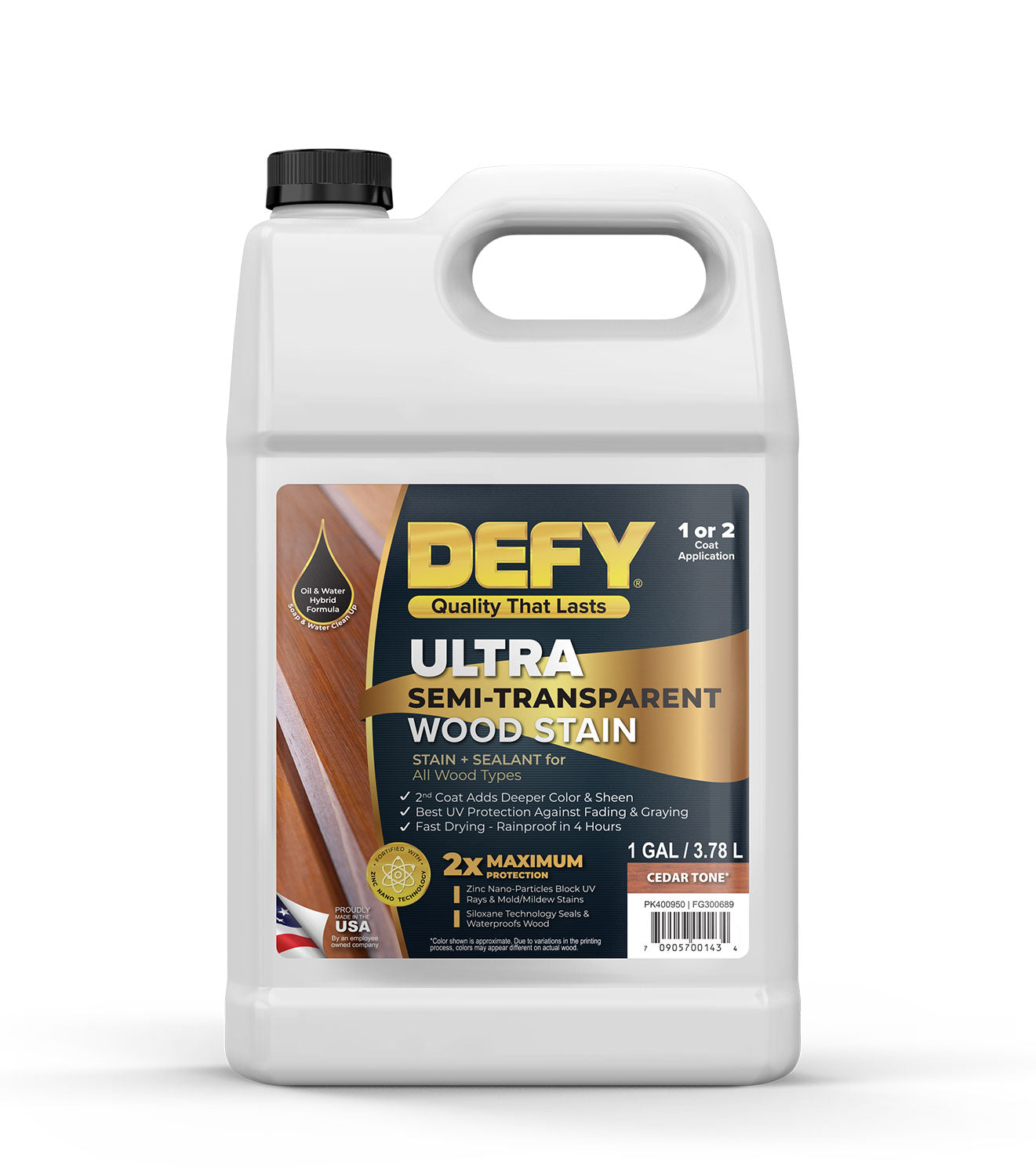
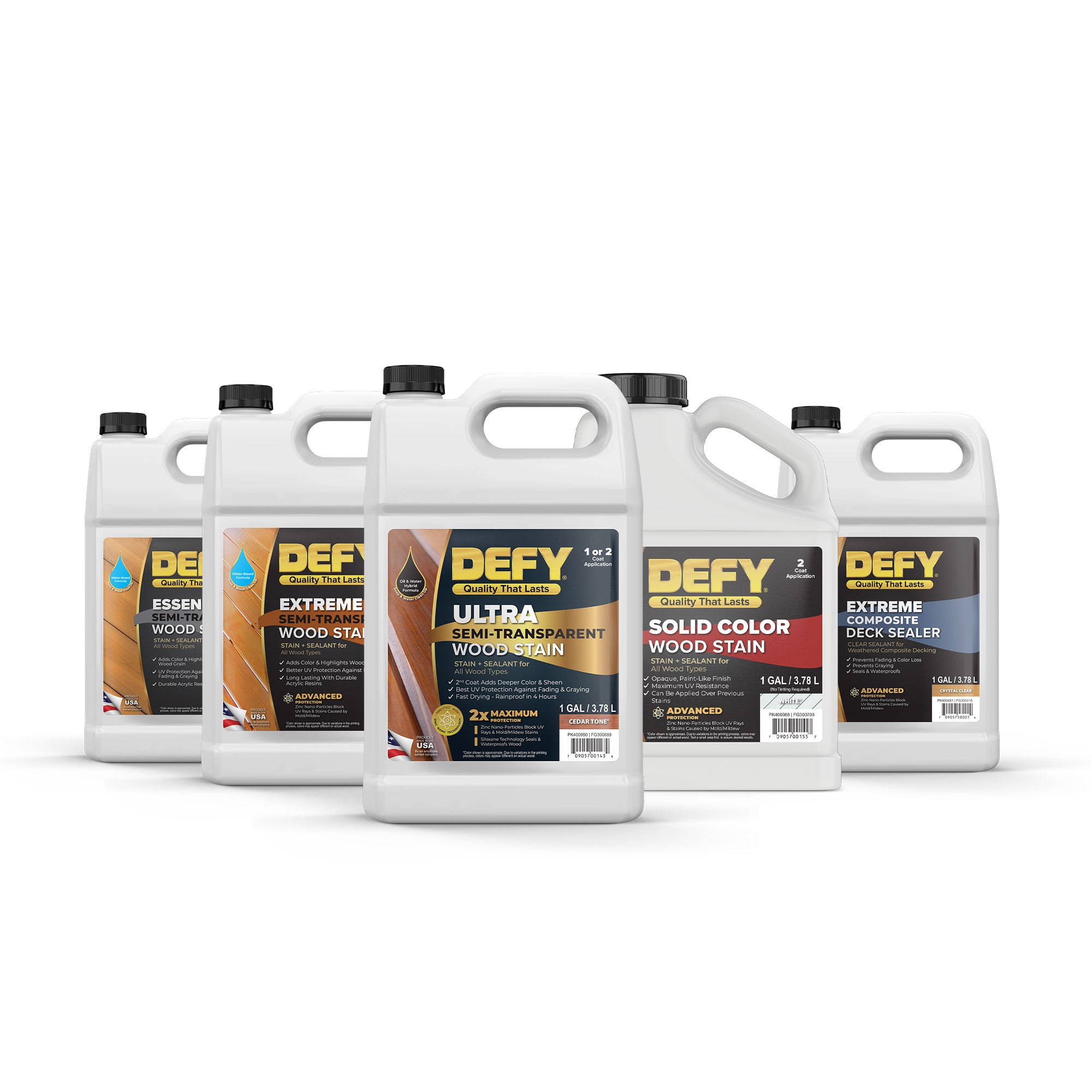
Finding the right shade is only half the job. The stain also needs to hold that color over time without fading, graying, or requiring reapplication every season. DEFY Wood Stain offers semi-transparent and solid stain options across a full range of wood stain colors, from lighter natural tones to grey stain and dark walnut stain, all designed for exterior wood surfaces.
DEFY's water-based wood stain uses zinc-nano technology to block UV damage, resist moisture, and fight mold growth. Unlike stains that need to be redone every year, DEFY products are formulated for low-maintenance performance, so your chosen shade holds up longer without fading.
Not sure which shade fits your deck? DEFY offers sample kits that let you test different stain colors directly on your wood before committing to a full project. Browse DEFY's full range of stain options and find the shade that works for your deck, your home, and your goals.