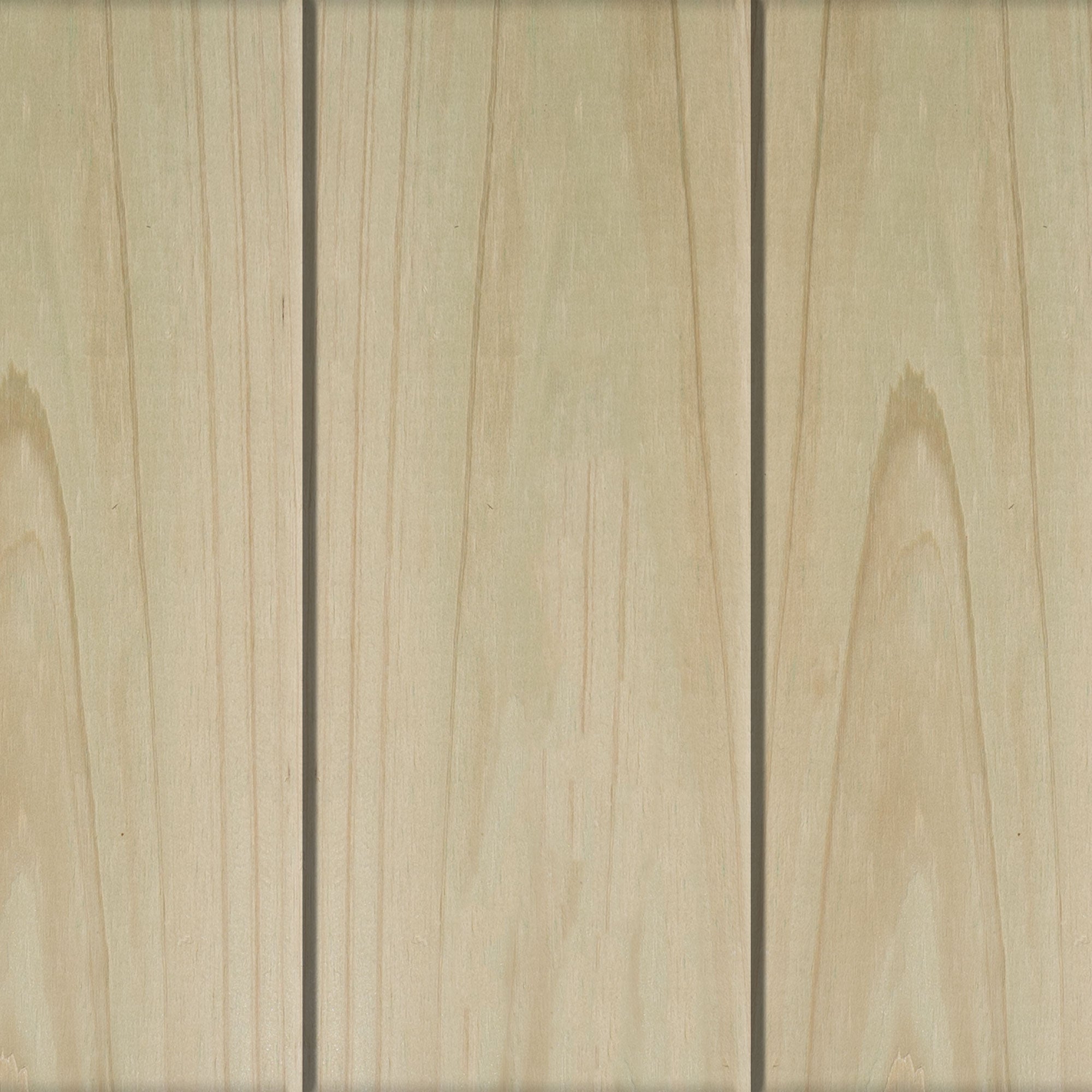
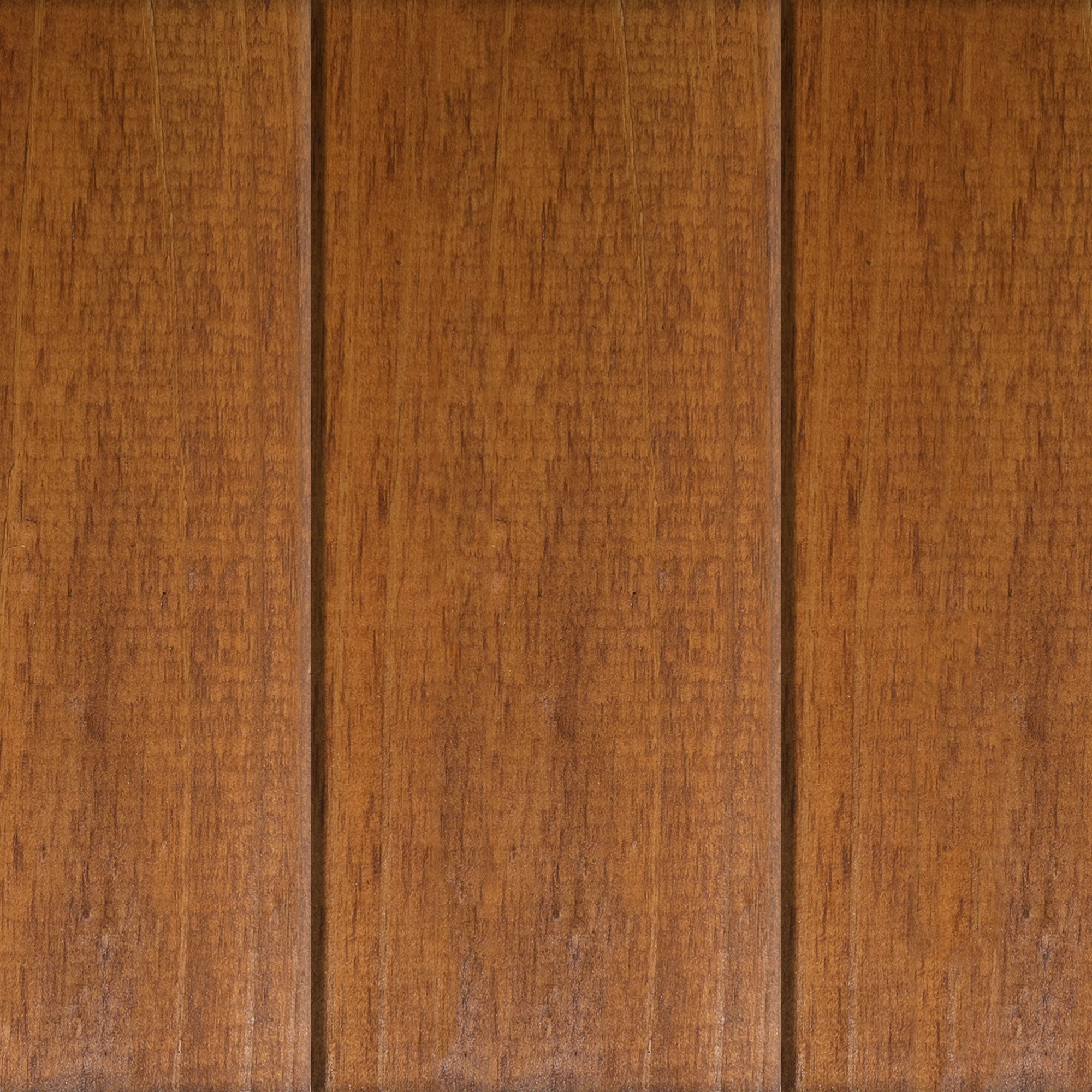


Your deck takes a beating year-round. Sun, rain, snow, foot traffic, and spilled drinks all leave their mark. Over time, dirt and mildew build up, and those once-beautiful deck boards start looking gray and worn. The good news? A solid deck cleaning can bring the wood back to life and set the stage for long-lasting protection.
But there is a right way and a wrong way to go about it. Using the wrong cleaning solution or too much pressure can damage wood fibers and leave you worse off than when you started. This guide walks you through the full cleaning process so you get the best results without the headaches.

Tools and Supplies You Will Need
Before you start scrubbing, gather everything you need. Having the right gear on hand makes the job faster and helps you avoid shortcuts that could hurt your deck surface.
-
Leaf blower or broom: Use one of these to clear loose dirt, leaves, and loose debris from the deck surface and between deck boards.
-
Wood deck cleaner: Pick a cleaner designed specifically for wood decking. Avoid general-purpose household cleaners that can strip natural oils from the wood.
-
Deck brightener: A brightener restores the wood's natural pH after cleaning and opens the grain to better accept deck stain.
-
Stiff bristle brush or scrub brush: A stiff bristle brush on a pole lets you scrub the entire deck without crawling around on your knees.
-
Garden hose: A standard garden hose with a spray nozzle works for rinsing in most cases.
-
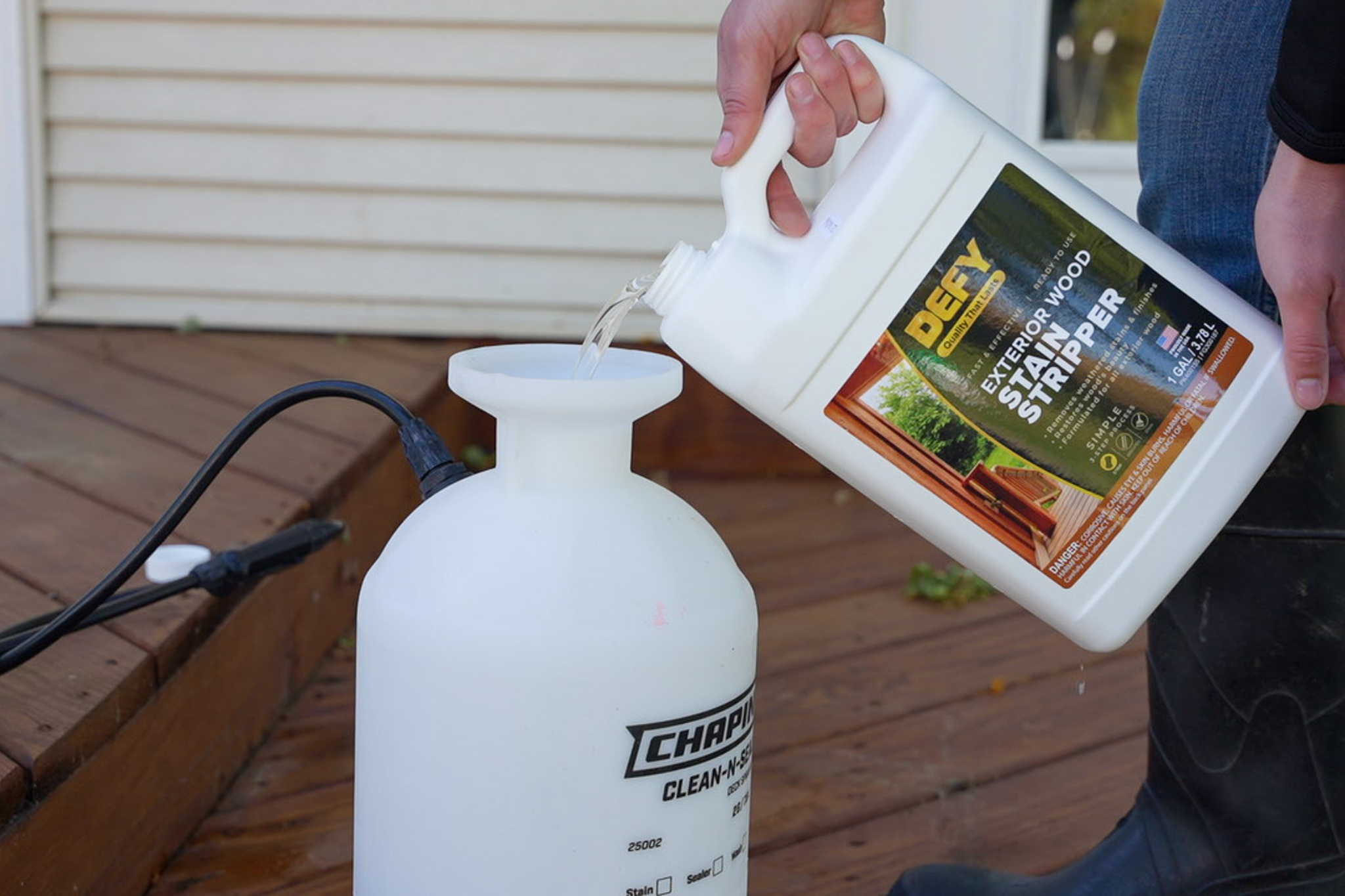
Pump sprayer: This makes applying your cleaning solution evenly across the deck much easier.
-
Protective gear: Safety glasses and rubber gloves are smart, especially when working with any chemical cleaning solution.
A Note on Pressure Washing
Many homeowners reach for a power washer first. Pressure washing can speed up the job, but a high-pressure nozzle held too close will gouge wood and raise wood fibers. If you use a power washer, keep pressure below 1,500 PSI and maintain at least 12 inches of distance. For most homeowners, a garden hose and a good wood cleaner will get the job done safely.
How to Clean a Wood Deck Step by Step
Follow these steps for a clean deck that is ready for stain, sealer, or just regular use.
Step 1: Clear the Deck
Remove all furniture, planters, grills, and rugs. Use a leaf blower or broom to sweep away loose debris, dirt, and leaves. Pay attention to the gaps between deck boards where buildup tends to collect. Don’t forget to include the wood railings for your deck.
Step 2: Apply the Wood Cleaner
Mix your wood deck cleaner according to the manufacturer's instructions. Using a pump sprayer, apply the cleaning solution evenly across the deck surface. Work in small sections so the cleaner does not dry before you have a chance to scrub. Most cleaners need to sit for 5-10 minutes to break down dirt, mildew, and grime.
Step 3: Scrub the Deck Surface
Using a stiff bristle brush, scrub each section along the grain of the wood. Scrubbing across the grain can scratch and damage the deck boards. For a stubborn stain or heavily soiled areas, apply a second coat of cleaner and let it sit before scrubbing again.
Step 4: Rinse With Clean Water
Rinse the entire deck thoroughly with clean water from your garden hose. Start at the highest point and work your way down so dirty water flows off the deck.
Step 5: Apply a Deck Brightener
After the deck is clean and still damp, apply a deck brightener. Wood cleaners tend to raise the pH of the wood, and a brightener brings it back to a neutral level. This step also opens up the wood grain, helping deck stain absorb more evenly. Apply with a pump sprayer, let it sit per the manufacturer's instructions, and rinse.
Step 6: Let the Deck Dry
Allow the deck to dry completely before walking on it or applying any stain or sealer. Drying time depends on weather conditions, but plan for at least 48 hours.
Choosing the Right Cleaning Solution for Your Deck
What you put on your wood deck matters, and the wrong product can do more harm than good.
Oxygen Bleach vs. Chlorine Bleach
Oxygen bleach (sodium percarbonate) is one of the safest and most effective options for deck cleaning. It breaks down into hydrogen peroxide and water, meaning it cleans without leaving behind harsh chemicals. It works well on mildew, algae, and general grime without damaging wood fibers or nearby plants.
Chlorine bleach (sodium hypochlorite) is a different story. While it kills mildew on contact, it also breaks down the lignin in wood, weakening the fibers and causing the surface to become fuzzy. It is rough on plants, too. For these reasons, most wood care professionals recommend staying away from chlorine bleach on a wooden deck.
Specialized Wood Cleaners
A purpose-built wood cleaner is usually the best choice. These products are formulated to lift dirt and mildew without stripping the wood or leaving residue. They are designed to work with the grain and prepare the deck surface for staining. Many also contain ingredients like oxalic acid, which helps remove gray weathering and tannin stains from hardwood decking.
What About Composite Decking?
If you have a composite deck instead of a wooden deck, you will need a different approach. Composite decking has its own cleaning requirements, and standard wood cleaners are not always safe to use. Check the manufacturer's instructions for your specific brand and use a cleaner rated for composite materials, like DEFY’s Composite Deck Cleaner.
Mistakes That Damage Wood Decks During Cleaning

Even with good intentions, it is easy to make mistakes that leave your deck worse off. Here are the most common ones to avoid.
-
Using too much pressure: A power washer set too high will tear into the deck surface and raise wood fibers. Stick to low pressure or skip the power washer altogether.
-
Letting cleaner dry on the wood: If your cleaning solution dries before you rinse it, it can leave streaks and residue. Work in small sections and rinse promptly.
-
Skipping the brightener: Cleaning raises the wood's pH. Without a deck brightener, the wood stays alkaline, which can prevent deck stain from absorbing properly.
-
Scrubbing against the grain: Always scrub along the length of the deck boards. Going across the grain scratches the surface and creates an uneven texture.
-
Cleaning in direct sun: Hot weather conditions cause the cleaner to evaporate too quickly. Choose a cloudy day or work in the shade for the best results.
-
Using harsh chemicals: Harsh chemicals and strong acids can discolor or weaken a hardwood deck. Stick to products made specifically for wood decking.
DEFY Wood Stain: Protect Your Deck After a Good Cleaning

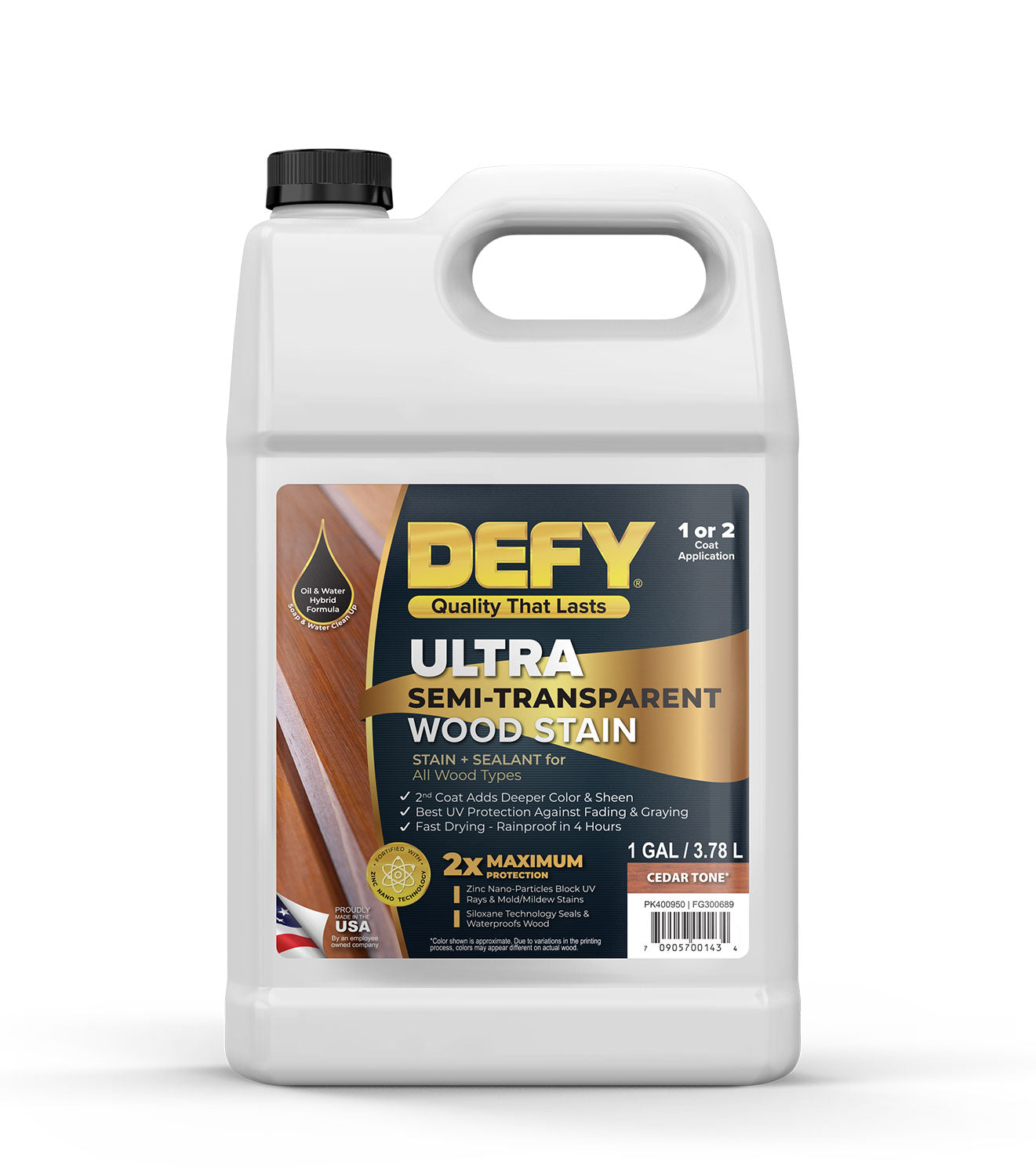
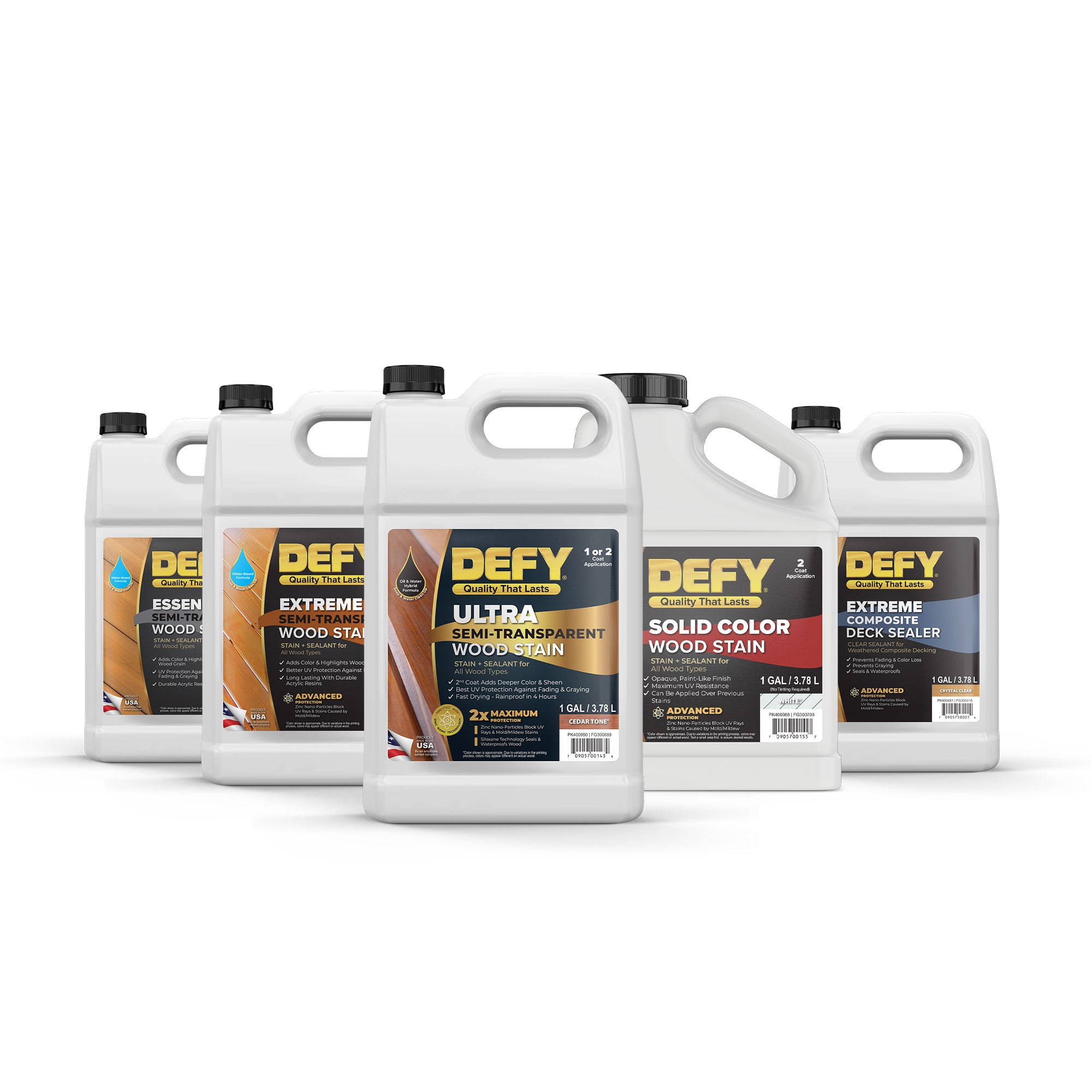
A clean deck is a great start, but it is only half the job. Once your wooden decking is clean and dry, it needs protection from UV rays, rain, snow, and daily wear. That is where DEFY comes in.
DEFY offers a full lineup of prep products to make the cleaning process straightforward. DEFY Wood Cleaner is formulated to remove dirt, mildew, and weathering from exterior wood surfaces without damaging the wood. Pair it with DEFY Wood Brightener to restore the wood's natural tone and prepare it for staining.
Ready to get started? Visit Defy Wood Stain to explore cleaners, brighteners, and stains, or use their sample kits to find your perfect color before committing to a full project.