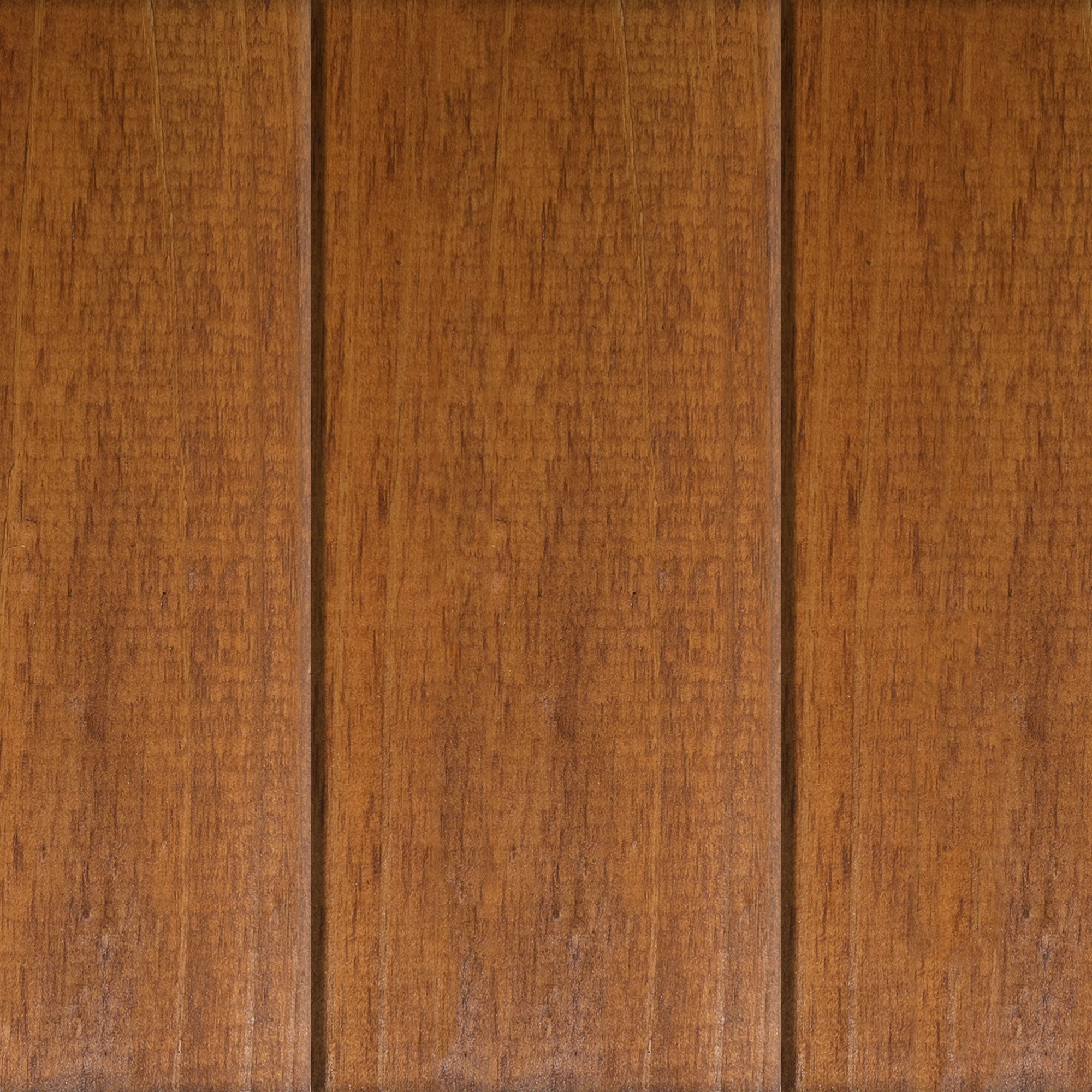
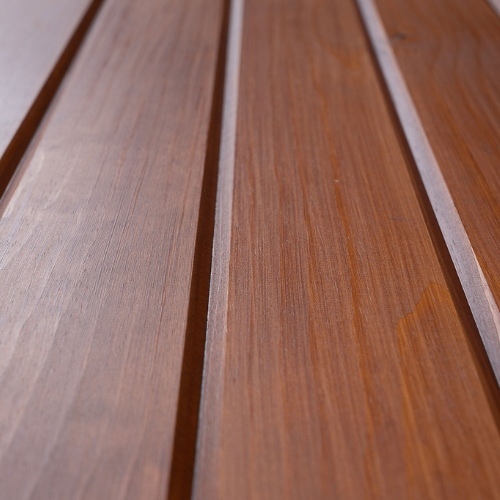

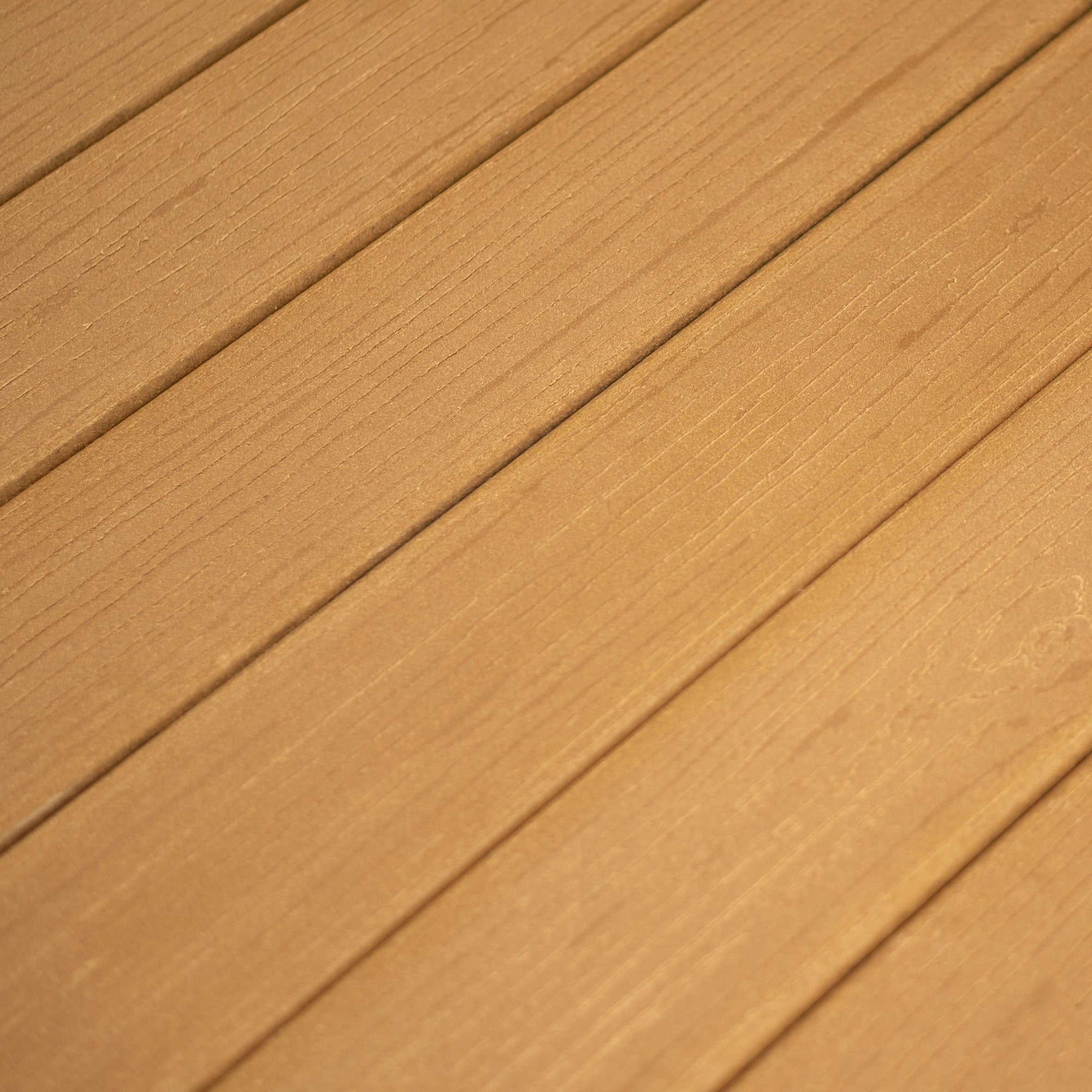

Staining wood furniture comes down to good prep and the right water-based stain. Clean and sand the bare wood, apply thin coats in the direction of the wood grain, and wipe away excess stain between coats for a durable finish that lasts.
Picked up a coffee table on Facebook Marketplace? Loking to refresh your outdoor dining table? A fresh coat of stain can make old wood furniture look brand new. This guide walks you through every step so you get clean, professional results the first time.
Choosing the Right Water-Based Stain for Wood Furniture
The type of wood stain you choose affects color, longevity, and how the project goes. For most homeowners staining wood furniture, water-based stain is the best starting point. It dries faster than oil-based stain and cleans up with soap and water instead of mineral spirits. It also comes in a wide range of colors, from natural wood tones to dark walnut.
Water-based stains also penetrate the wood grain without sitting on top of the surface, which means you get a more natural look and a finish that won't peel. On outdoor furniture, that matters even more since the wood expands and contracts with weather changes throughout the year.

Semi-Transparent vs. Solid Color Stain
Semi-transparent stain lets the natural wood grain show through while adding color and protection. It works best on real wood furniture in good condition where the grain is worth showing off.
Solid color stain provides full coverage and hides imperfections in the wood. It is a good choice for older outdoor furniture with weathered or blotchy wood where you want a clean, uniform look.
Exterior Stain for Outdoor Furniture
Any piece living outside needs an exterior stain built for the elements. Interior stains are not formulated to handle UV rays, rain, or temperature swings. An exterior stain includes UV blockers and moisture protection that keep the wood from graying, cracking, or absorbing water over time.
How to Prepare Wood Furniture Before Staining
Surface prep determines how well the stain absorbs and how long the finish lasts. Skipping this step is the number one reason DIY stain jobs fail.
Remove the Old Finish
If your piece has an existing finish or an old finish that is peeling, it needs to come off before you stain. A chemical stripper works well on detailed pieces with carved edges. A plastic scraper handles flat surfaces once the stripper has softened the old finish. Always work in a ventilated space and follow the product label.
Sand the Surface
Once you have bare wood, start sanding. Begin with 80-grit sandpaper to knock down rough spots and any remaining old finish. Step up to 120-grit sandpaper, then finish with 150 or 180-grit for a smooth surface. Always sand in the direction of the wood grain to avoid scratches that will show through the stain.
After sanding, wipe everything down with a tack cloth or lint-free rag to clear away dust. Dust left on the surface will show up in your final coat.
Apply a Wood Conditioner On Soft Woods
On soft woods like pine, a wood conditioner applied before staining helps the first coat absorb evenly. Without it, porous woods tend to soak up stain unevenly and leave a blotchy finish. Let the conditioner soak in per the label instructions before moving on.
How to Apply Water-Based Stain to Wood Furniture
With the surface prepped, you are ready to stain wood furniture. Water-based stains are forgiving to work with, but technique still matters.
Pick the Right Applicator

- Paint brush: Best for detailed pieces, carved areas, and edges. Use a synthetic bristle brush with water-based stain for the smoothest application and cleanest brush strokes.
- Foam brush: A good choice for flat surfaces and first-time stainers. Foam brushes lay stain down evenly on smooth surfaces with minimal brush strokes.
- Lint-free rag or clean rag: Wiping stain on by hand gives you the most control. It works great on small pieces or when you want a lighter wood tone.
Apply Thin, Even Coats
Work in the direction of the wood grain and cover large areas in sections to avoid lap marks. Let the first coat soak in for the time listed on the label, then wipe away any excess stain with a clean rag before it dries. Leaving excess stain on the surface causes sticky spots and an uneven finish.
Once the first coat has fully dried per the manufacturer's dry time, apply a second coat to deepen the color. A second coat builds wood tone without making the surface tacky.
Pro Tip: For a darker color like dark walnut, build up with thin coats rather than applying one heavy coat. Each next coat gives you more control over the final depth without risking a gummy surface.
Dry Time Between Coats
Water-based stain dries faster than oil-based options, which is one reason it works so well for weekend DIY projects. Check the label for the exact drying time before applying the next coat. After the final coat of stain, add a clear sealer if extra protection is needed and the product does not already include one.
Common Mistakes to Avoid When Staining Wood Furniture
Even first-time stainers get great results when they avoid these missteps.
- Not removing the existing finish: Staining over an old finish prevents the water-based stain from penetrating the real wood below. Strip it down to bare wood first.
- Using the wrong stain for outdoor furniture: Interior stains break down quickly outside. Always use an exterior stain on any furniture exposed to the elements.
- Skipping the tack cloth after sanding: Dust on the surface gets trapped in the stain and creates a rough finish. Always wipe down with a tack cloth or lint-free rag before you start.
- Not wiping off excess stain: Water-based stain that sits on the surface instead of soaking in will dry tacky and uneven. Wipe thoroughly with a clean rag after each coat.
- Rushing the dry time: Applying the next coat before the first coat is fully dry leads to a finish that does not cure properly. Follow the drying time on the label.

DEFY Wood Stain: The Right Water-Based Stain for Outdoor Furniture
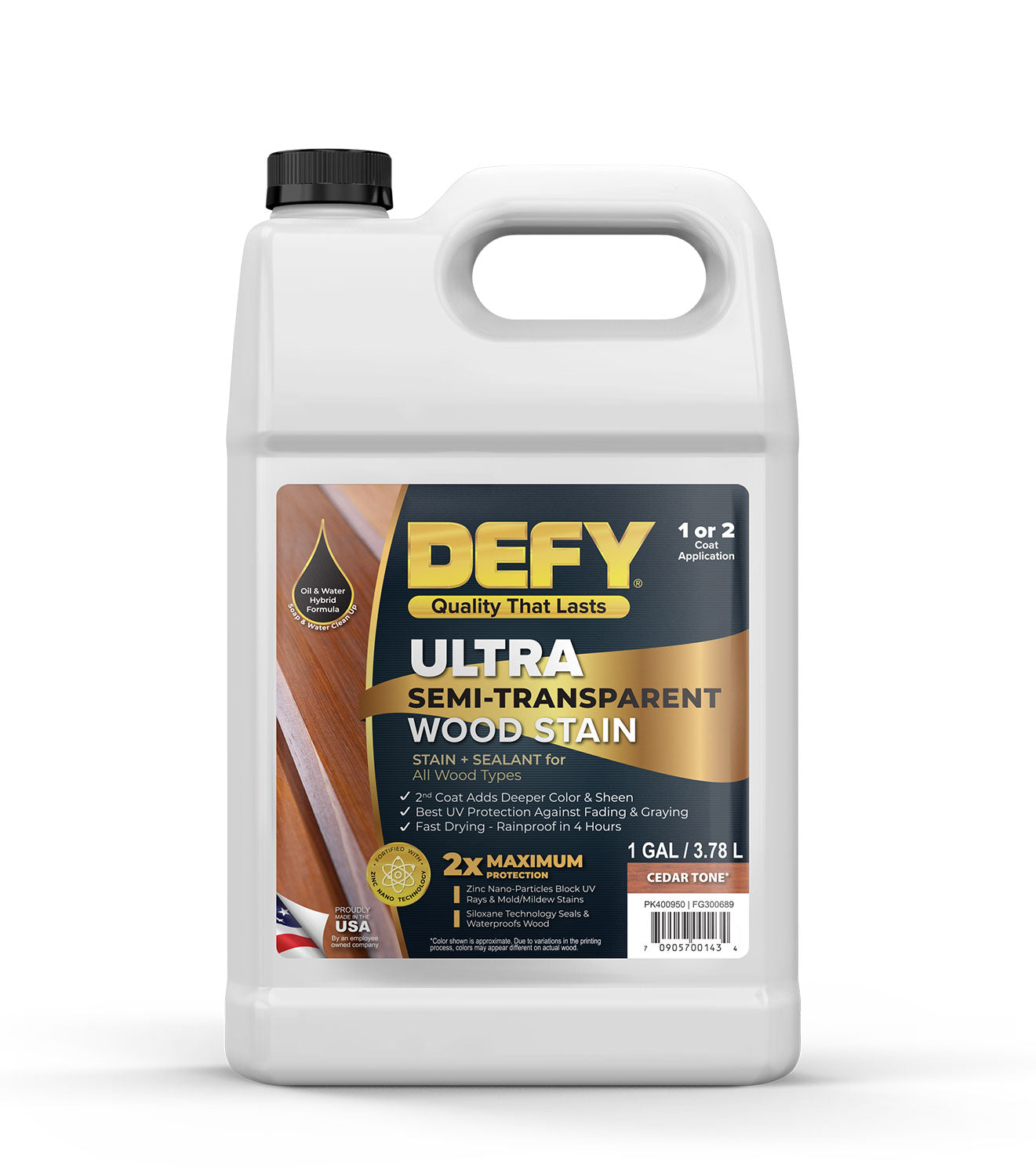
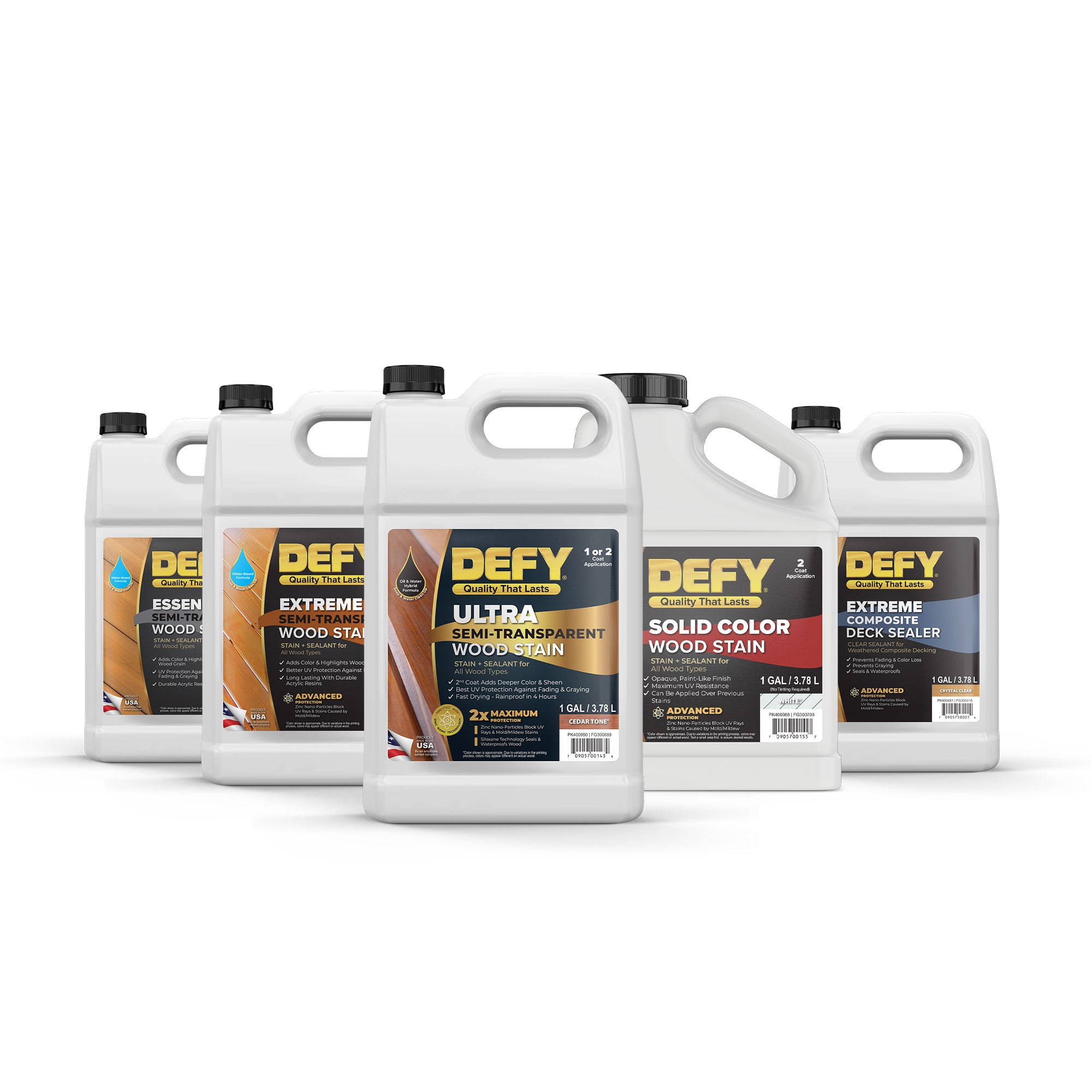
DEFY Wood Stain makes water-based exterior stains built for outdoor furniture that takes a beating year-round. Every DEFY stain uses zinc nano technology to block UV rays and resist moisture without the need for frequent reapplication. That means less maintenance and a longer-lasting finish compared to stains that need to be redone every season.
If you are not sure which stain is right for your project, DEFY offers sample kits so you can test colors on your actual wood furniture before committing to a full gallon.
Ready to get started? Browse DEFY Wood Stain's full line of water-based exterior stains and find the right product for your project.